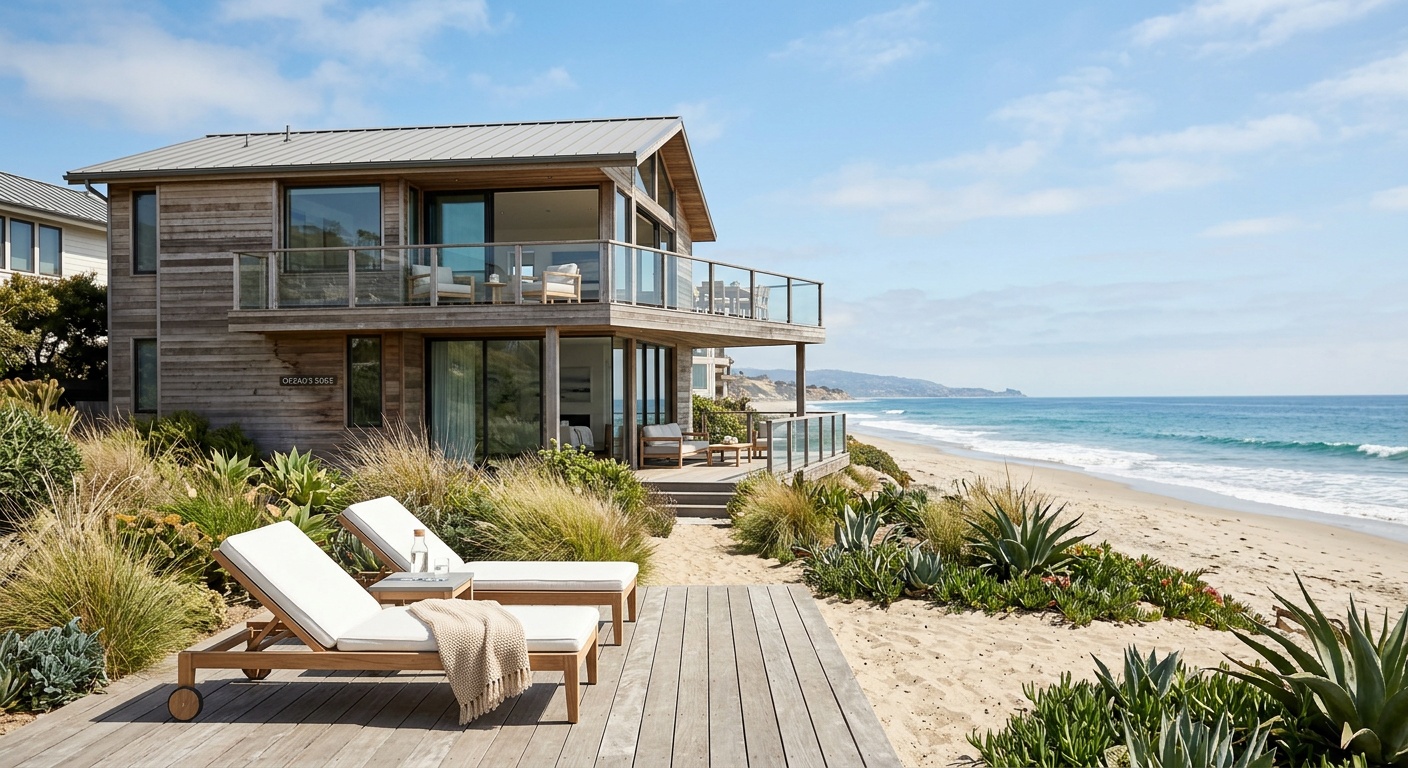
Best Outer Banks Vacation Rental Homes for Investors in 2026
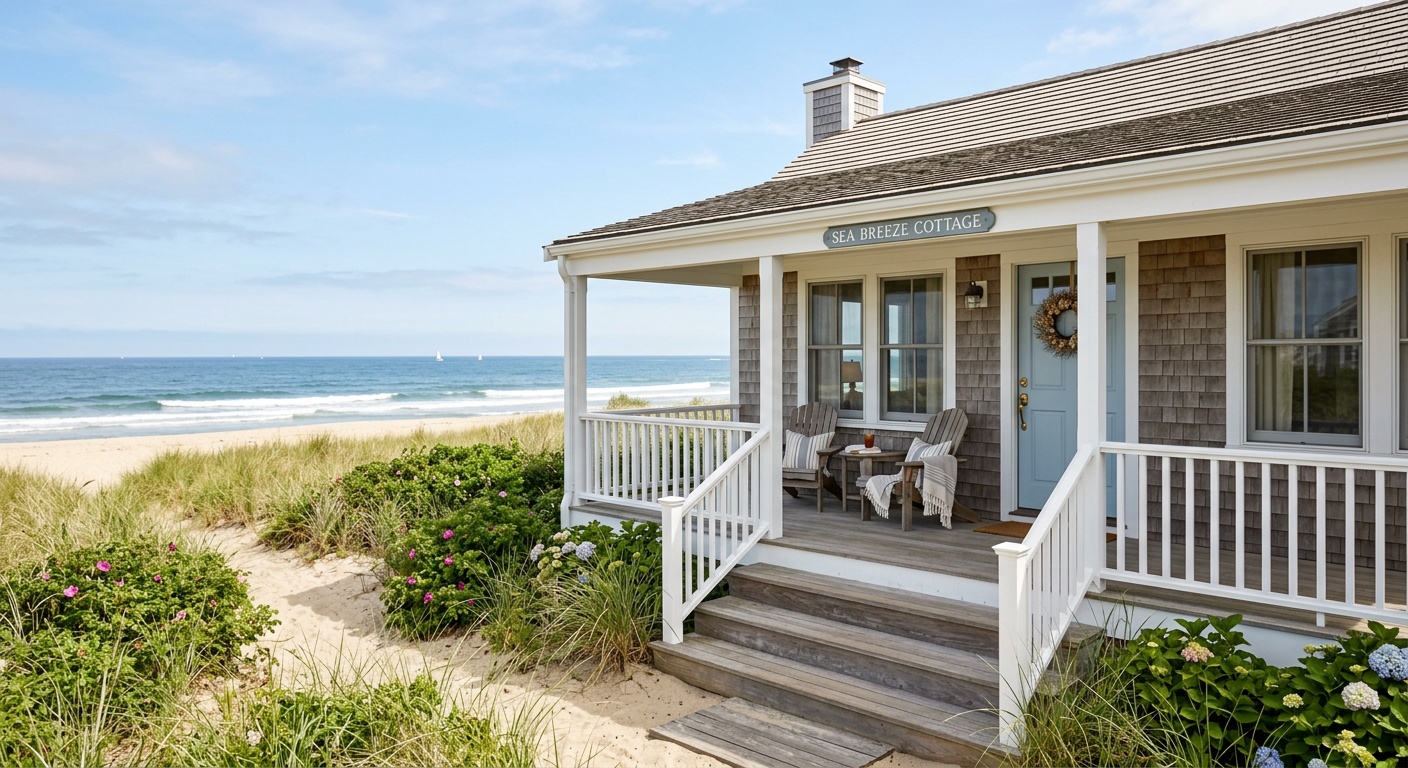
Best Outer Banks Vacation Rental Homes for Investors in 2026
Reading time: 9 minutes
Picture this: it’s a crisp March morning in Duck, North Carolina, and a couple from Ohio just signed on a seven-bedroom oceanfront home for $1.95 million. By July, that same house had already booked 22 weeks at an average nightly rate of $1,150. That’s not a fantasy—it’s the kind of return story playing out across the Outer Banks (OBK) right now, and it’s exactly why savvy investors are circling this stretch of North Carolina coastline heading into 2026.
If you’ve been eyeing a vacation rental investment but feel overwhelmed by which town, house style, or price point actually makes sense, you’re in good company. Let’s cut through the noise and get practical.
Table of Contents
- Why the Outer Banks Market Still Works in 2026
- Top Towns for Rental Investment
- What Makes a Home “Investor-Ready”
- Comparing Investment Metrics by Region
- Common Challenges (and How to Beat Them)
- Frequently Asked Questions
Why the Outer Banks Market Still Works in 2026
The Outer Banks isn’t a trendy overnight discovery—it’s a 100-plus-year-old vacation destination with built-in demand. According to the Outer Banks Visitors Bureau, the region welcomed over 9.2 million visitors in 2025, generating more than $1.7 billion in visitor spending. That kind of consistent traffic is gold for rental income stability.
Here’s the straight talk: appreciation matters, but cash flow is king for rental investors. Median home prices in Dare County sit around $625,000 as of early 2026, according to local MLS data, while well-positioned oceanfront and semi-oceanfront homes routinely gross $90,000–$180,000 annually in rental income. That’s a rental yield range most inland markets simply can’t touch.
“Buyers who treat OBX like a pure appreciation play miss the point,” says Melissa Carr, a Nags Head-based real estate broker with 18 years of coastal transaction experience. “The real wealth-building happens when you buy for cash flow first and let appreciation be the bonus.”
The 2026 Demand Shift Investors Should Know
Post-pandemic remote work patterns haven’t fully reversed—if anything, they’ve matured into “workcation” bookings that stretch shoulder seasons. Property managers across Corolla and Kill Devil Hills report April and October occupancy rates climbing 14% since 2023, effectively extending the profitable season from 20 weeks to nearly 30.
Top Towns for Rental Investment
Not all 200 miles of Outer Banks coastline perform equally. Location dictates everything from nightly rate ceilings to buyer competition.
Corolla: The Premium Play
Corolla commands the highest average weekly rental rates in the region—often $6,500–$12,000 for a 6-8 bedroom oceanfront home during peak summer weeks. Wild horses, larger lot sizes, and newer construction inventory make it a favorite for luxury-minded investors. The trade-off? Entry prices start around $850,000 and climb well past $2 million for premium oceanfront.
Kill Devil Hills and Nags Head: The Value Sweet Spot
These central towns offer a compelling balance. Prices remain 20-30% lower than Corolla, while rental demand stays strong thanks to proximity to the Wright Brothers Memorial, Jockey’s Ridge, and the region’s most walkable dining strip. A well-maintained four-bedroom semi-oceanfront home here can be acquired for $550,000-$700,000 and still gross $65,000+ annually.
Hatteras Island: The Emerging Opportunity
Further south, Hatteras Island attracts a different renter—anglers, surfers, and eco-tourists seeking a slower pace. Prices remain the most accessible in the region (often under $500,000 for solid rental stock), but investors should factor in higher flood insurance costs and less consistent off-season demand.
What Makes a Home “Investor-Ready”
Not every charming cottage makes a smart investment. Before you fall in love with a widow’s walk or a private pool, run through this checklist:
- Bedroom count of 5+: Rental platforms and property managers consistently show that homes with five or more bedrooms outperform smaller units on a per-square-foot revenue basis, since large family and multi-family groups drive OBX’s core demand.
- Proximity to the beach: Homes within a 3-minute walk command 25-40% higher nightly rates than those 10+ minutes away.
- Amenities that convert browsers into bookers: private pools, hot tubs, elevators, and game rooms consistently rank as the top filters renters use on booking platforms.
- Flood zone classification: Always verify FEMA flood maps before closing—insurance costs can swing your annual net income by thousands of dollars.
- Existing rental history: A home with 3+ years of documented rental income removes guesswork and strengthens financing conversations with lenders.
Comparing Investment Metrics by Region
| Region | Avg. Purchase Price | Avg. Annual Rental Income | Gross Yield | Peak Season Occupancy |
|---|---|---|---|---|
| Corolla | $1,250,000 | $135,000 | 10.8% | 92% |
| Duck | $980,000 | $104,000 | 10.6% | 89% |
| Kill Devil Hills | $625,000 | $68,000 | 10.9% | 85% |
| Nags Head | $690,000 | $71,500 | 10.4% | 86% |
| Hatteras Island | $465,000 | $44,000 | 9.5% | 78% |
Notice something interesting? Gross yields cluster tightly between 9.5% and 11% across nearly every town—proof that the Outer Banks rewards disciplined buying at almost any price tier, as long as the property itself checks the right boxes.
Peak Season Occupancy at a Glance
Common Challenges (and How to Beat Them)
Every investor hits friction points. Here’s how experienced OBX buyers navigate the three biggest ones.
Challenge 1: Rising Insurance Costs
Coastal flood and wind insurance premiums have climbed 15-20% since 2024 in many Dare County zip codes. Fix: Get a quote before making an offer, not after. Building an insurance estimate into your offer price gives you negotiating leverage and avoids closing-week surprises.
Challenge 2: Seasonal Cash Flow Gaps
Even with extended shoulder seasons, January and February remain slow. Fix: Underwrite your mortgage using only 75% of a property’s peak-season projected income, so winter months don’t strain your budget.
Challenge 3: Property Management Selection
A mediocre management company can quietly cost you 10-15% in lost bookings through poor listing optimization and slow guest response times. Fix: Interview at least three local firms, ask for their actual occupancy data (not projections), and check reviews from both guests and other homeowners.
Frequently Asked Questions
Is 2026 a good year to buy an Outer Banks rental property?
Yes, with nuance. Inventory has loosened slightly compared to 2023-2024, giving buyers more negotiating room, while rental demand remains historically strong. The best opportunities favor buyers who move decisively on well-priced, rental-ready homes rather than waiting for a dramatic price drop that hasn’t materialized.
How much cash reserve should I keep for an OBX rental property?
Most experienced owners recommend keeping three to six months of mortgage, insurance, and maintenance costs in reserve—roughly $15,000-$30,000 depending on the property size. Coastal homes require more frequent maintenance due to salt air and storm exposure, so a thin reserve can turn a good investment into a stressful one.
Do I need to live near the Outer Banks to manage a rental successfully?
No. The vast majority of successful investors live out of state and rely on local property management companies to handle bookings, cleaning, and maintenance. What matters more is choosing a management partner with strong local relationships and transparent reporting, not your own physical proximity.
Your Roadmap Forward: Turning Insight Into Action
The Outer Banks rental market isn’t a mystery—it’s a predictable system that rewards buyers who do their homework. Here’s your practical next-step checklist:
- Define your budget tier first, then match it to the town that fits (Corolla for premium, Kill Devil Hills/Nags Head for value, Hatteras for entry-level).
- Request 2-3 years of rental history on any property before making an offer—never rely on a listing agent’s projected income alone.
- Get insurance quotes early in your search process, not after you’re under contract.
- Interview property managers before you even close, so your rental calendar starts filling immediately after handover.
- Underwrite conservatively, using off-peak income assumptions to stress-test your cash flow.
As remote work culture and drive-to-destination travel continue reshaping American vacation habits, coastal markets like the Outer Banks are positioned to keep outperforming inland alternatives well into 2027 and beyond. The question isn’t really whether this market works—the data already answers that. The real question is whether you’re ready to move with the discipline it takes to make it work for you. What’s stopping you from making your first call to a local broker this week?