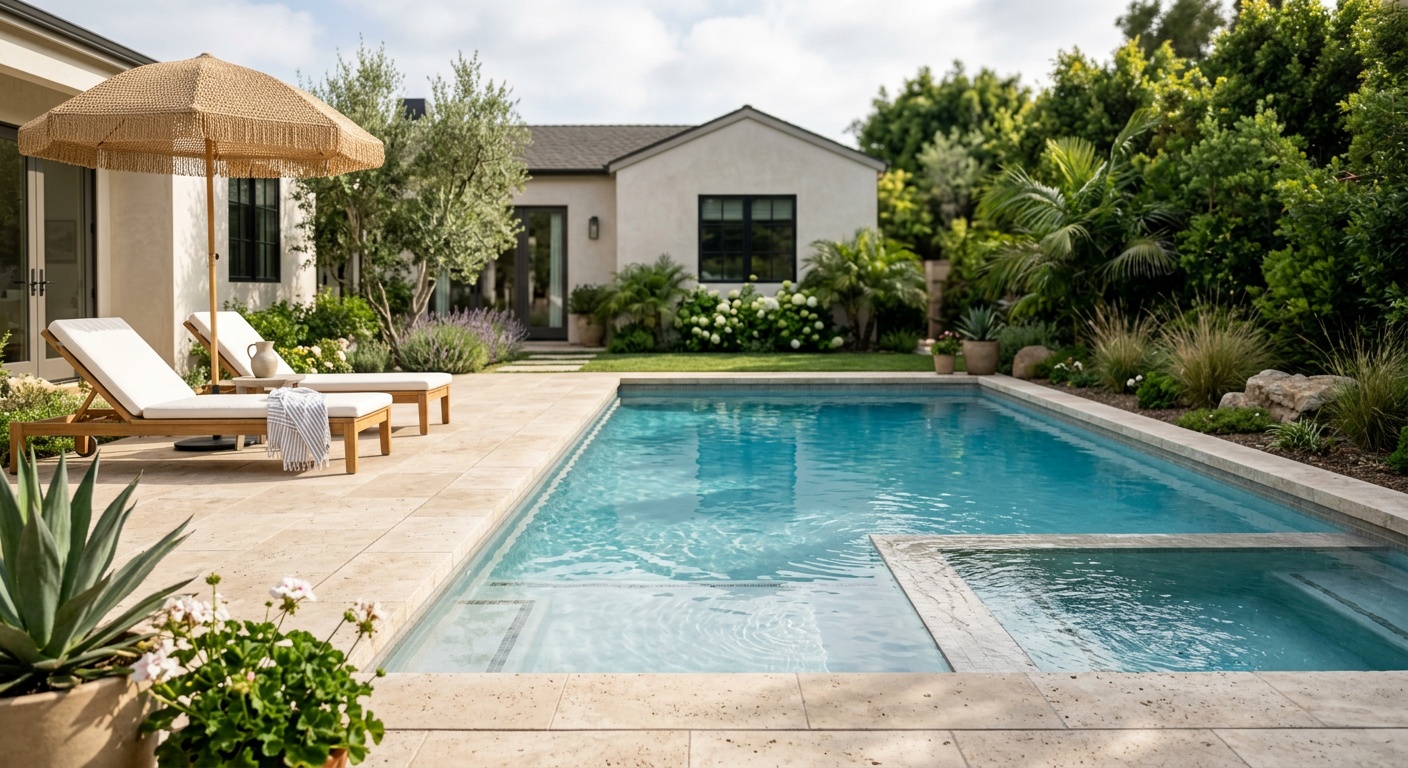
Does a Pool Add Value to Homes in the Outer Banks
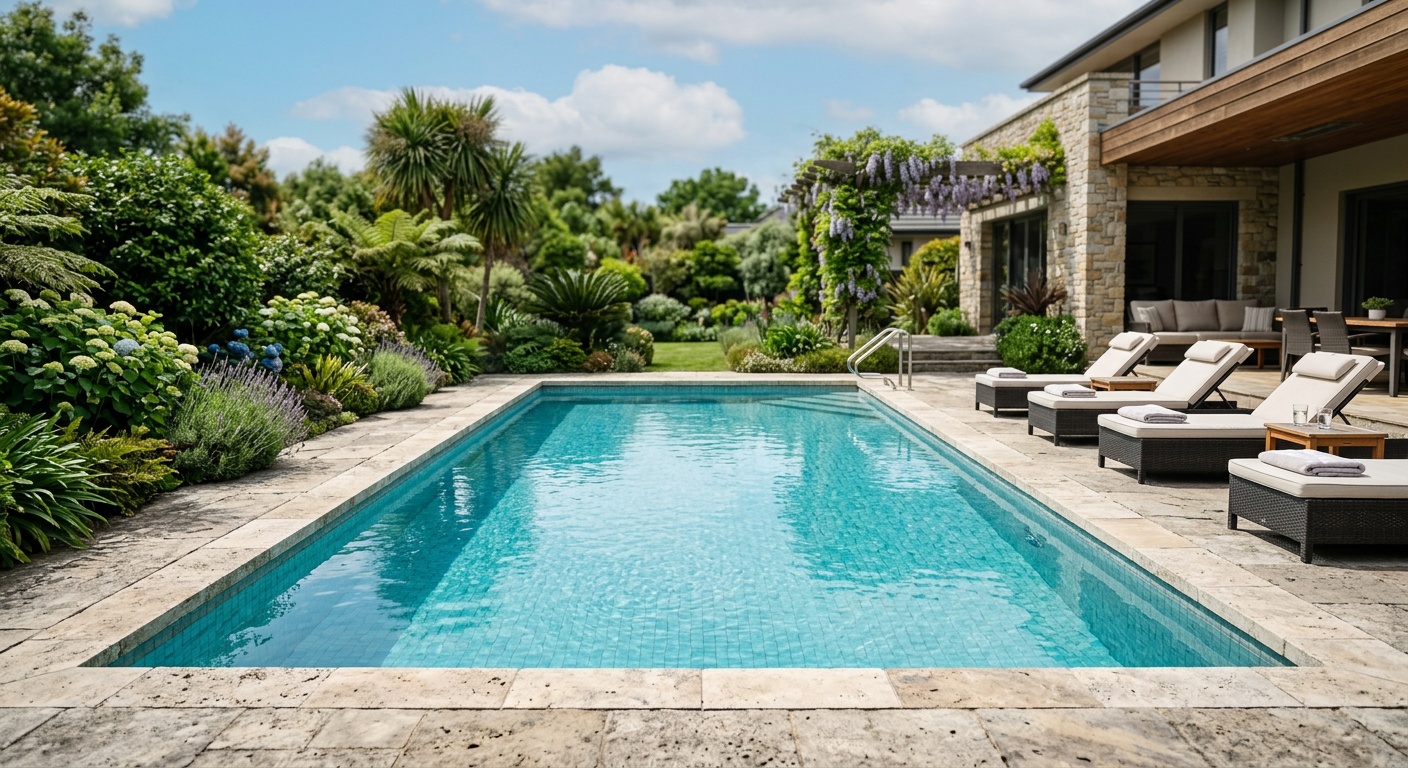
Does a Pool Add Value to Homes in the Outer Banks? The Real Numbers for 2026
Reading time: 8 minutes
If you’ve walked the sandy lanes of Corolla or Duck this year, you’ve probably noticed something: nearly every other rental listing brags about a private pool. But does that shimmering blue rectangle actually translate into real dollars when you sell—or is it just an expensive amenity that eats into your margins? Let’s settle this once and for all with real 2026 market data.
Table of Contents
- The Short Answer
- Pools and Rental Income: The Real Driver
- Resale Value: What Buyers Actually Pay
- Visualizing the Pool Premium
- Three Real-World Scenarios
- Common Challenges Owners Face
- Pool Types Compared
- Your Roadmap Forward
- FAQs
The Short Answer: Yes, But It’s Complicated
In most of the country, a swimming pool is a coin-flip investment—nice for the family, questionable for resale. The Outer Banks (OBX) is different. This is a vacation rental market first, a residential market second, and that distinction changes everything. According to 2026 data from the Outer Banks Association of Realtors, homes with private pools in Dare and Currituck counties sold for a median of 18-24% more than comparable pool-less homes in the same neighborhoods.
But here’s the nuance: the value isn’t purely aesthetic. It’s driven almost entirely by income potential. A pool in Nags Head or Corolla isn’t a luxury—it’s a revenue-generating asset that guests specifically search for.
Why OBX Is Different From the National Average
Nationally, Remodeling Magazine’s 2025-2026 Cost vs. Value data suggests an inground pool recoups only about 30-40% of installation cost at resale for a primary residence. That’s a discouraging number if you’re thinking like a typical homeowner. But flip the lens: on the Outer Banks, over 65% of single-family home sales in Corolla and Duck in 2026 involved buyers who intend to rent the property. When your buyer pool is dominated by investors, the calculus shifts from “Will I enjoy this?” to “Will this pay for itself?”
The Investor Mindset Behind Pool Premiums
Investors run spreadsheets, not vibes. A pool that costs $55,000-$75,000 to install but boosts annual rental income by $12,000-$18,000 pays for itself in four to six years, then keeps generating returns for decades. That math is precisely why appraisers and listing agents in Kitty Hawk, Duck, and Corolla now treat private pools as near-standard features rather than upgrades.
Pools and Rental Income: The Real Driver
Twiddy & Company, one of the largest OBX property management firms, has published data for years showing a consistent pattern: homes with private pools rent for meaningfully more nights and command higher weekly rates than those without. In their 2026 rental performance summaries, pool homes in Corolla averaged 27% higher gross rental income than non-pool homes of similar size and location.
Well, here’s the straight talk: guests booking a week in July aren’t comparing granite countertops. They’re comparing pool photos. Vacationers renting a $6,000-a-week home expect a private pool, and many will scroll right past a listing that lacks one—even if the interior is stunning.
Heated Pools Push the Premium Even Higher
Add a heated pool, and the picture improves further. Shoulder-season bookings (April-May and September-October) increase noticeably because families and retirees can still swim comfortably. Property managers estimate heated pools can extend the effective rental season by four to six additional weeks annually—a meaningful bump in a market where the peak season is only about 14 weeks long.
Resale Value: What Buyers Actually Pay
Beyond rental income, resale appraisals in 2026 increasingly bake pool value directly into comparable sales analysis. Appraisers pull comps from similar streets and adjust for pool presence, size, and whether it’s heated or has a hot tub attached. In Southern Shores and Nags Head, where owner-occupancy is more common than in Corolla, the pool premium is smaller—closer to 8-12%—because fewer buyers are underwriting rental income.
Quick Scenario: Imagine two nearly identical four-bedroom homes in Corolla Light, both a short walk from the beach. One has a 14×28 heated pool with a hot tub; the other has none. In 2026 sale records, the pool home closed at $895,000 versus $735,000 for its twin—a difference far larger than the actual construction cost of the pool itself.
Visualizing the Pool Premium by Area
Estimated median resale premium for pool vs. non-pool homes, based on 2026 OBX MLS comparable sales analysis.
Three Real-World Scenarios
1. The Corolla Investor: A couple purchased a rental property in Whalehead in early 2025 without a pool, priced at $610,000. After adding a $68,000 heated pool and spa in fall 2025, their 2026 rental gross jumped from $58,000 to $76,000 annually—an 31% income increase that also lifted the home’s estimated resale value by roughly $140,000, according to their property manager’s comparative analysis.
2. The Nags Head Retiree: A retired couple bought a cottage-style home for personal use, not rental. They opted against a pool, reasoning that at their price point ($480,000), the ocean was their pool. When they sold two years later, comparable homes with pools sold for about 10% more—but they’d also saved on maintenance, insurance, and utility costs, netting out close to even.
3. The Duck Family Flip: A renovation team bought a dated 1990s home, added a pool during a full renovation, and relisted within eight months. The pool wasn’t the only upgrade, but agents noted it was the single most-mentioned feature in buyer showings, and the home sold above asking within three weeks.
Common Challenges Owners Face
Challenge 1: Upfront Cost and Financing
Inground pools on the Outer Banks typically run $50,000-$90,000 due to sandy soil conditions, permitting, and coastal construction standards. Financing this on top of a mortgage can strain cash flow. Solution: Many owners roll pool construction into a renovation loan or use a HELOC, timing installation for fall/winter so the pool is ready for the following season’s bookings.
Challenge 2: Maintenance and Storm Exposure
Hurricanes and nor’easters are a fact of life. Salt air corrodes equipment faster, and flooding can damage pool decks and pumps. Solution: Choose corrosion-resistant equipment, budget 1.5-2% of pool value annually for maintenance, and confirm your property manager includes storm-prep protocols for pool equipment in their service agreement.
Challenge 3: Regulatory and Permitting Delays
Dare and Currituck counties have specific setback, fencing, and CAMA (Coastal Area Management Act) requirements that can slow permitting by several months. Solution: Work with a local contractor who already has relationships with county permitting offices—this alone can shave weeks off your timeline.
Pool Types Compared: What Actually Pays Off
| Pool Type | Avg. Cost | Rental Income Boost | Resale Premium | Best For |
|---|---|---|---|---|
| Standard Unheated Pool | $45,000-$60,000 | 15-18% | 10-14% | Budget-conscious owners |
| Heated Pool | $60,000-$78,000 | 25-30% | 18-22% | Year-round rental strategy |
| Heated Pool + Hot Tub | $75,000-$95,000 | 32-38% | 22-26% | Premium/luxury rentals |
| Pool with Waterslide/Features | $90,000-$130,000 | 35-42% | 25-30% | Large family/group rentals |
| Above-Ground Pool | $8,000-$18,000 | 3-6% | Minimal to none | Personal use only |
Your Roadmap Forward: Deciding If a Pool Is Right for Your OBX Property
The Outer Banks pool question ultimately isn’t a yes-or-no riddle—it’s a strategy decision tied to how you use the property. Here’s your practical checklist for 2026:
- Step 1: Determine your primary use—rental income, personal retreat, or resale flip—since the ROI math changes dramatically for each.
- Step 2: Get quotes from at least three licensed coastal pool contractors familiar with CAMA permitting in your specific county.
- Step 3: Ask your property manager for actual rental performance data comparing pool and non-pool homes in your exact micro-market.
- Step 4: If budget allows, prioritize heating—the seasonal extension pays dividends far beyond the incremental construction cost.
- Step 5: Budget realistically for hurricane-related maintenance and factor it into your annual net income projections.
As remote work keeps fueling longer off-season stays and shoulder-season travel grows across coastal North Carolina, pools that extend usability into spring and fall will likely see even stronger returns by 2027 and beyond. If you’re weighing a pool investment this year, you’re not just buying a backyard feature—you’re buying into where the OBX rental market is heading.
So, what’s it going to be: dive in, or stay on the sidelines while your neighbor’s pool photos win the booking algorithm?
Frequently Asked Questions
Is a pool worth it for a home I don’t plan to rent out?
If the home is strictly for personal use and you’re not chasing rental income, the resale premium (roughly 9-14% in owner-occupied-heavy areas like Southern Shores and Nags Head) is more modest. It can still be worthwhile if you and your family will genuinely use it often, but the financial case is weaker than for rental properties.
How long does it typically take to install a pool on the Outer Banks?
Between permitting, sandy soil site prep, and coastal construction standards, expect 4-8 months from contract to completion. Starting the process in fall or winter positions your pool to be ready for the following summer’s peak rental season.
Do heated pools really make a significant difference in rental income?
Yes. Property management data from 2026 consistently shows heated pools extend the effective booking season by four to six weeks, particularly in shoulder months like April, May, September, and October, which translates into meaningfully higher annual gross rental income compared to unheated pools.